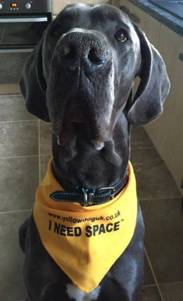
The holidays are a time of joy, but for sensitive dogs, all the lights, noise, and visitors can feel overwhelming. Some dogs, as highlighted by Yellow Dog awareness, need extra space and time to feel safe. By understanding your dog’s needs, you can help them stay calm and enjoy the festive season.
Create a Comfortable Retreat
Sensitive dogs need a quiet space where they can relax. Choose a calm room or corner, add a soft bed, blanket, or favorite toy, and keep it consistent throughout the holidays. This safe spot allows your dog to escape the chaos whenever they need a break.
Keep Their Routine Steady
Even during busy holiday schedules, maintaining your dog’s normal walks, meals, and rest times is important. Consistent routines give them stability and help reduce anxiety when visitors arrive or decorations change.
Decorate Slowly and Carefully
Sudden decorations, flashing lights, or a fully decorated tree can startle sensitive dogs. Introduce decorations gradually, letting your dog explore them at their own pace. If your dog seems unsure, give them space to adjust.
Prepare Guests for Your Dog
Shy or nervous dogs may feel stressed around visitors. A simple note or message helps:
- “He likes to approach people slowly.”
- “She prefers space when meeting new friends.”
Most guests will respect these instructions, helping your dog feel safer.
Avoid Hazardous Holiday Foods
Many festive treats can be harmful to dogs, including chocolate, grapes, cooked bones, and rich leftovers. Sensitive dogs may also have delicate stomachs, so sticking to their regular diet keeps them healthy and comfortable.
Manage Noise and Excitement
Fireworks, holiday music, or children playing can trigger stress. To help your dog:
- Close curtains and windows
- Play soft, calming music
- Encourage use of their safe space
- Stay nearby for reassurance
Even small measures like these can help your dog remain calm.
Offer Mental Activities
Distraction through puzzle toys, snuffle mats, frozen treats, or scent games can reduce anxiety. Mental enrichment keeps your dog engaged and focused, helping them feel more relaxed.
Recognize Signs of Stress
Watch for subtle signs like yawning, lip licking, pacing, hiding, or stiff posture. When you notice these behaviors, reduce stimulation or guide your dog to their calm area. Acting early prevents stress from escalating.