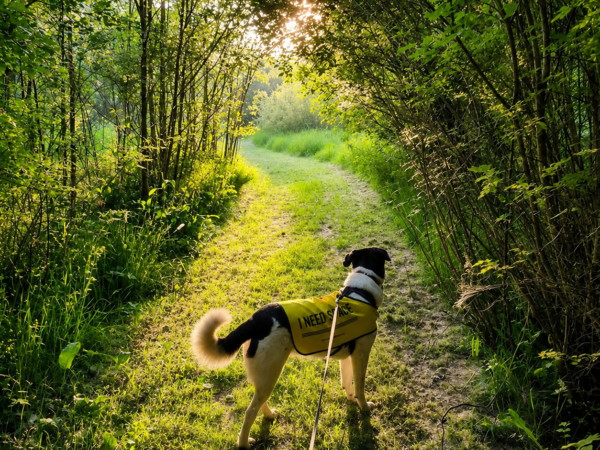
For many dogs, heading out for a walk is the best part of the day. Every new scent, trail and open space offers an exciting opportunity to explore. While most owners pay close attention to busy roads or unfamiliar dogs, some of the greatest risks are much less obvious.
Hidden hazards can appear in parks, woodland paths and even quiet neighbourhood streets. From toxic plants to discarded rubbish, these everyday dangers can quickly turn an enjoyable walk into an emergency. Staying aware of your surroundings is one of the simplest ways to protect your dog and make every outing a safe one.
Common Hazards You May Overlook
Many people know that foods like chocolate and grapes are dangerous for dogs at home, but outdoor environments can present just as many risks.
While exploring, dogs naturally investigate the world with their noses and mouths. This curiosity can expose them to:
- Discarded food and litter
- Cigarette butts and recreational drugs left in parks
- Fertilisers and garden chemicals
- Toxic plants found in gardens, woodlands and public spaces
Because dogs cannot tell what is safe and what is harmful, even a quick sniff or bite can lead to serious illness.
Toxic Plants That Can Harm Dogs
Many beautiful plants commonly seen during walks are surprisingly dangerous to dogs.
Some of the most common include:
- Daffodils and tulips, especially their bulbs, which may cause vomiting, tremors and seizures.
- Lily of the Valley, a highly toxic plant that can affect the heart.
- Hydrangeas, which may lead to vomiting, breathing difficulties and lethargy.
- Chrysanthemums, known to cause stomach upset and poor coordination.
Even inside the home, popular houseplants such as Aloe Vera and Peace Lilies can also be harmful if chewed.
Awareness Makes Every Walk Safer
Every dog experiences the world differently. Some dogs need extra space because they are nervous, recovering from an injury, in training or simply feel more comfortable when people and other dogs keep their distance.
Yellow Dog UK encourages owners to recognise and respect these needs, helping create calmer, safer walks for everyone. The same mindful approach should also apply to the environment around you. Watching what your dog is sniffing or attempting to pick up can prevent a dangerous situation before it happens.
Signs Your Dog May Have Ingested Something Toxic
If your dog has eaten or come into contact with something harmful, symptoms may include:
- Vomiting or diarrhoea
- Excessive drooling
- Tremors or seizures
- Weakness or unusual tiredness
- Difficulty breathing
- Loss of coordination
If you notice any of these symptoms or suspect your dog has swallowed something toxic, contact your veterinarian immediately. Fast action can make a significant difference in your dog’s recovery.
Simple Ways to Reduce the Risk
Although it’s impossible to remove every hazard from parks and walking trails, there are several ways to make walks safer:
- Teach your dog a reliable “leave it” command.
- Keep your dog under close supervision while exploring.
- Avoid allowing them to eat unknown plants or discarded food.
- Stay alert in areas where litter or chemicals may be present.
- Respect dogs wearing Yellow Dog products, as they may need additional space.
These simple habits can help prevent accidents while making walks more enjoyable for both dogs and their owners.
Every Dog Walk Starts With Awareness
A walk should be an opportunity for dogs to enjoy fresh air, exercise and enrichment—not an unexpected trip to the emergency vet. By remaining observant and understanding the hidden dangers that exist outdoors, owners can greatly reduce the chances of an accident.
At Yellow Dog UK, promoting safer, more considerate walks isn’t only about giving dogs the space they need—it’s also about encouraging owners to stay aware of the environment around them. A little extra attention can help ensure every adventure ends exactly where it should: safely back at home.